top of page


Tyre Trading & MRF Operations
End-to-end Tyre Trading & MRF Operations with complete traceability — protecting your people, plant, and compliance.
Purpose First
When Waste Turns Risky, Responsibility Must Come First
Every factory, plant, or warehouse generates some amount of hazardous waste — used oil, expired chemicals, paint sludge, contaminated rags, or even spoiled food from production units.
These materials may look ordinary, but when stored or handled incorrectly, they can leak, react, catch fire, or contaminate soil and water.
At Dhartie First Cycle Pvt. Ltd., we specialize in safe, compliant, and scientific
management of such hazardous waste — ensuring that your site, people, and brand stay
protected while the environment stays unharmed.

How We Work
Our Process
Recycling is the process of converting waste materials into new materials and
objects. To do this, recycling often requires both machinery and employees to
correctly sort recyclable items based on the material they’re made of.

Waste Assessment & Mapping
We begin with a site visit to study your operations — understanding what kind of waste is
being generated, where, and in what quantity.

Segregation Setup
We help you set up color-coded bins and storage areas for different waste types — plastic, paper, metal, etc. This makes on-ground segregation simple and avoids contamination.

Collection & Channelization
Our authorized collection partners visit on fixed schedules. All material movement is done using documented, compliant transport.
.png)
Scientific Disposal
Waste is cleaned, shredded, baled, or melted — depending on its nature — and converted into usable raw material: plastic granules, recycled paper pulp, or metal ingots.

Reporting & Certificates
You receive monthly reports, recycler certificates, and compliance documentation for your
ESG and CPCB audit records.

Case Study:
Handling Expired Food & Chemical Waste Safely
A leading FMCG company producing flavored beverages and sauces faced a tough challenge — several pallets of expired food products and cleaning chemicals were piling up.
The items couldn’t be sold, recycled, or reused.
The waste had started leaking, attracting pests, and releasing odor across the warehouse.
Local vendors refused to take it because of the chemical-food mix.
Results Achieved:
-
100 % waste removed from site within a week
-
Zero leakage and odor after clearance
-
Full compliance with CPCB guidelines
-
Clean, audit-ready facility
Why Dhartie
Why Proper Hazardous Waste Management Matters
Legal Compliance
Worker Safety
Environmental Protection
Audit Readiness

Our Solution
Safe Disposal With Complete Traceability
We provide a door-to-door solution for hazardous waste, starting from segregation to final authorized disposal.
Every step is tracked, documented, and carried out as per Hazardous Waste (Management & Transboundary Movement) Rules, 2016.
Our goal: Zero risk, zero residue, 100 percent compliance.


Trusted By Industries & Governments





The Problem
The Real Problem on the Ground
We’ve seen the same situation repeated across industries:
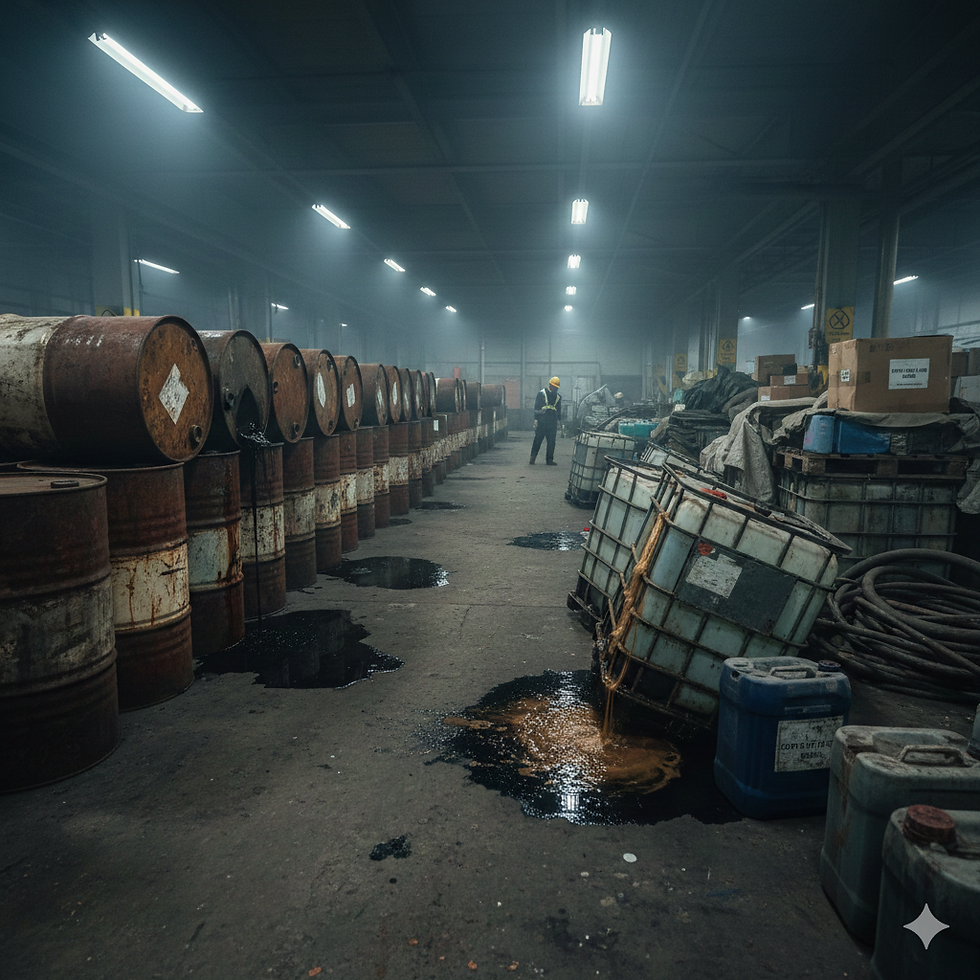
barrels of expired raw materials pushed into corners, drums of used oil without labels, or leaking cans of cleaning chemicals stacked beside recyclables.
Common on-ground issues include:
• Hazardous and non-hazardous waste mixed together.
• Expired or rejected goods stored for months due to “no vendor.”
• Open burning or informal disposal to clear space quickly.
• Missing manifests or records, leading to CPCB non-compliance.
Common Hazardous Waste We Handle

Expired Chemicals & Raw Materials
Adhesives, inks, paints, cleaning agents.

Used Oil & Grease
From machinery, maintenance, and lubrication.
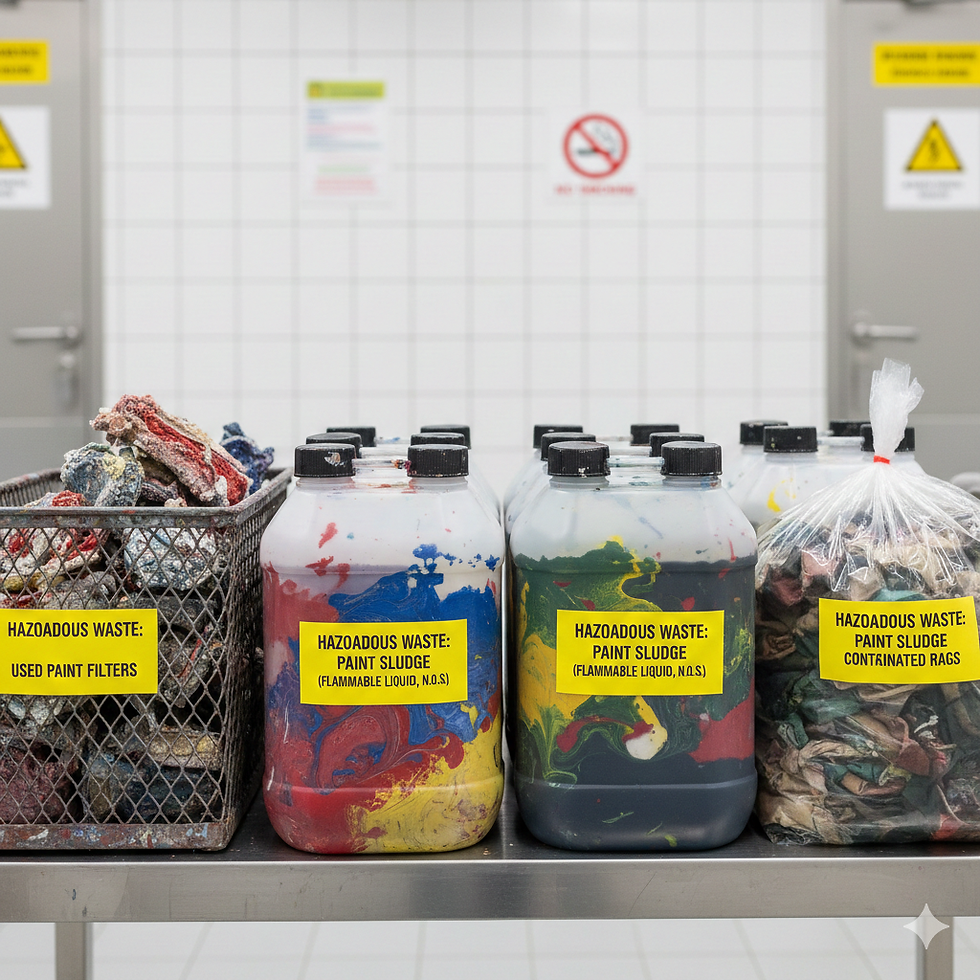
Paint Sludge, Filters & Rags
From surface finishing areas.

Contaminated Packaging
Cans, drums, bottles, or pouches containing chemical
residues.

Expired or Spoiled Food Waste
From FMCG, dairy, or beverage units.
bottom of page